Presence is not performance
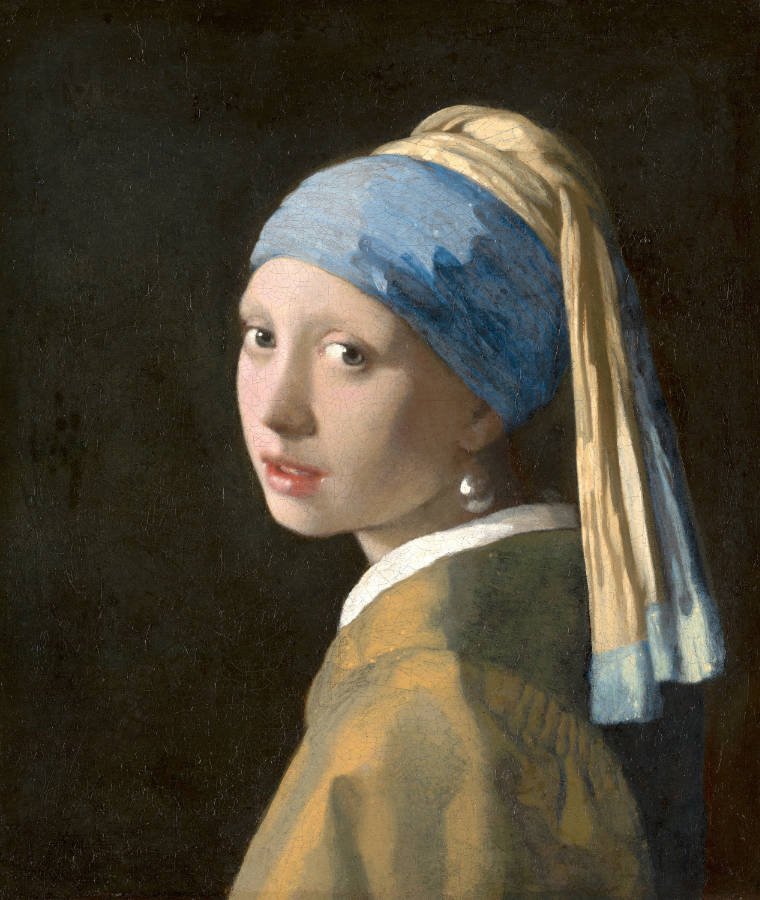
Johannes Vermeer, Girl With a Pearl Earring, 1665-1666
“To thine own self be true.”
— Shakespeare, Hamlet
This line has endured not because it is poetic, but because it exposes a quiet contradiction.
If being oneself were simple, such advice would not be necessary.
And yet, most adult life seems to revolve around a single, persistent question:
How does one remain true while learning how to belong?
From an early age, we are taught to adapt. To meet expectations. To inhabit roles that make social life function smoothly.
Politeness, competence, emotional availability — all of these are rewarded.
Slowly, often imperceptibly, presence begins to shift into performance.
We learn how to be perceived rather than how to be anchored.
Society rarely challenges this transformation. On the contrary, it often celebrates it.
Adaptability is praised. Agreeableness is encouraged. Self-effacement is framed as a virtue.
And yet, most people recognize — quietly, viscerally — when something feels off.
There is a fatigue that performance creates. A dull disconnection that no amount of approval seems to resolve.
I learned this not through theory, but through experience. Caring for others came naturally to me, and still does.
Attention, empathy, responsibility — these are not burdens; they are strengths.
But when care is no longer a choice and becomes an obligation, something essential is lost.
Presence cannot survive where self-erasure begins.
Performance, even when motivated by kindness, is not sustainable.
We often believe that enduring discomfort is a fair price for connection.
What we fail to notice is that when an attachment requires us to disappear, it has already lost its purpose.
Presence asks for something quieter and far more demanding: integrity.
True authority does not announce itself. It rests in restraint, in discernment, in the ability to remain intact while in relation.
When presence replaces performance, interactions soften.
Boundaries clarify. Care becomes deliberate rather than compulsive. And space opens — not only for oneself, but for others as well.
I was reminded of this recently while watching Jiro Dreams of Sushi.
A documentary about Jiro Ono, a Japanese sushi master who devoted his entire life to a single craft.
Despite international recognition, awards, and decades of acclaim, Jiro speaks only of refinement, repetition,
and what remains unfinished. “I have not yet reached perfection,” he says — not as humility performed, but as truth lived.
What moved me was not his success, but his orientation. The work remained larger than the man.
There was no urgency to display, no need to convince. Only commitment, discipline, and depth.
His life made something clear: meaning does not require visibility.
It requires fidelity.
Presence, I am learning, is not something we perform for the world.
It is something we allow — by staying loyal to what is essential, even when no one is watching.
Author: Khaoula El Hadri